Sewing Tip | All About Understitching
Have a sewing pattern that suggests understitching, but don’t know what that means? We’re here to help with this post all about understitching and why it’s a sewing technique I never skip. Let’s get started!

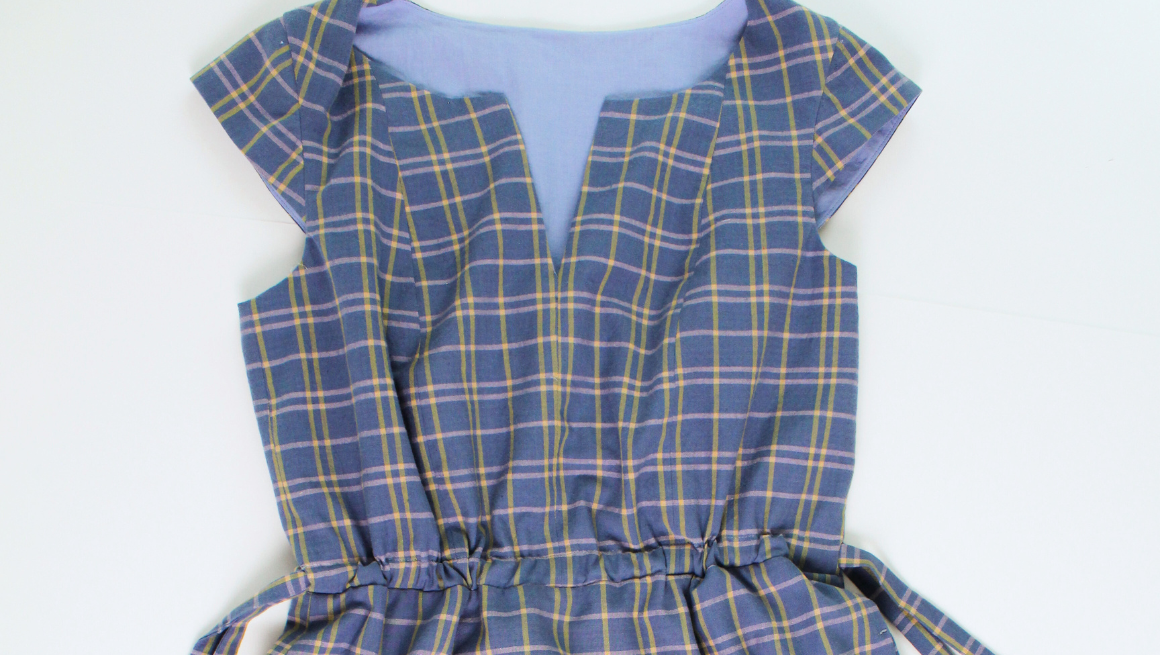
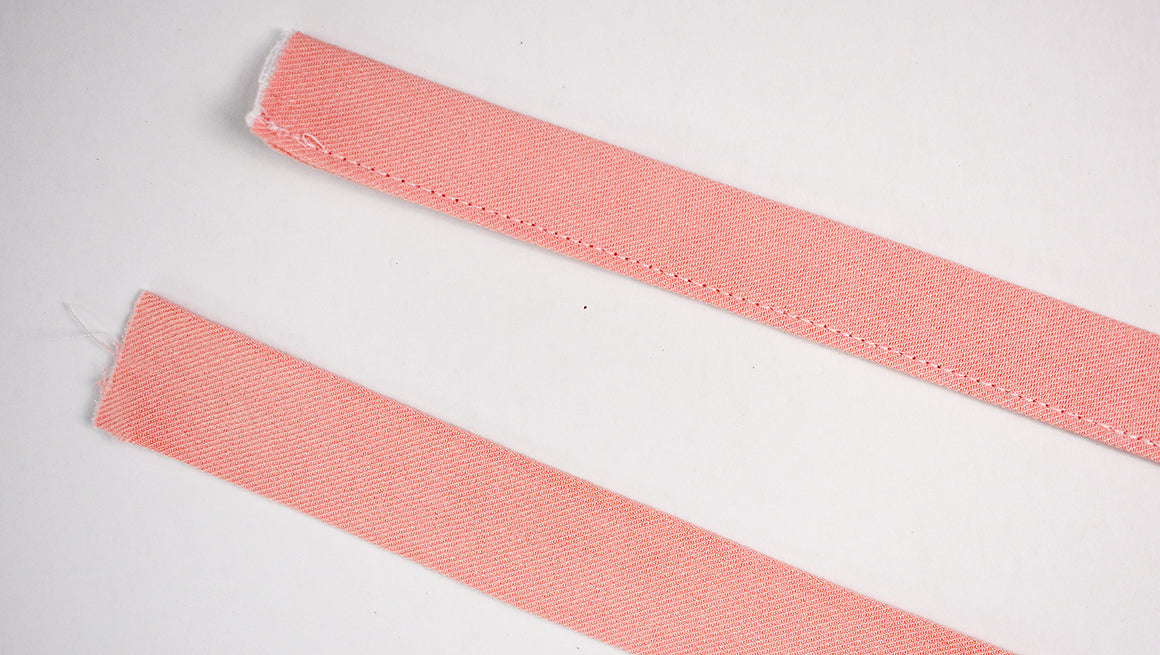
Many of our woven patterns use understitching to achieve a clean finish at necklines, armholes, hems, and waistbands, see above photo for a few examples. Featured patterns are the Hayes, Shay, Isle, Fringe, Evelyn, Aria, Marcel, and Victory.
WHAT IS UNDERSTITCHING AND WHY SHOULD I USE IT?
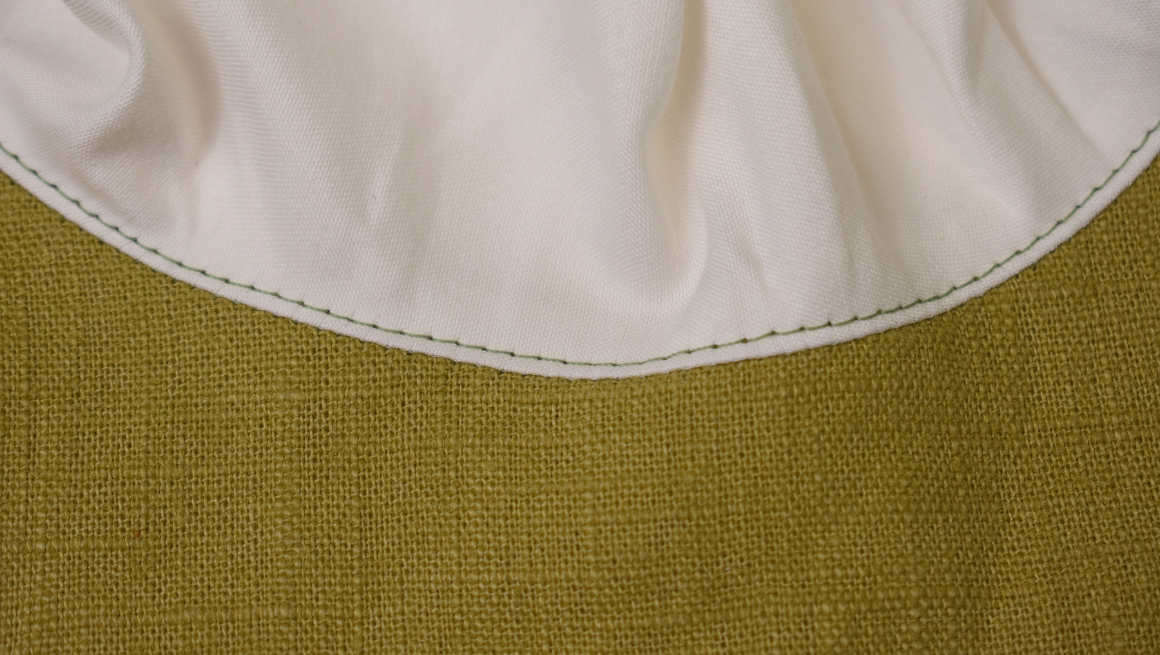
Understitching is used when 2 fabrics, often a main fabric and a facing or lining, are stitched together and one is turned to the inside. Think necklines, armholes, etc. Understitching is on the inside of the garment and can’t be seen from the right side. It causes the main fabric to roll to the inside so the facing/lining stays inside the garment and isn’t visible from the right side. Note the differences in the photo below. The sample in the background has been understitched while the sample in the front hasn’t and shows a bit of the white facing/lining.

WHAT YOU’LL NEED
- A pattern that includes a facing or lining
- Pins
- A sewing machine
- An edgestitching or zipper foot
- An iron

HOW TO UNDERSTITCH
Sew the seam attaching the main fabric and the lining/facing. Follow the instructions in your selected pattern for guidance on seam allowance.

Trim seam allowance to ¼”.

Clip notches around any curves.

Press seam allowance toward the lining.

Using an edge stitch foot or a zipper foot, stitch the facing about 1/16” away from the seam, catching the seam allowance as you sew. While stitching, pull fabric taut to prevent any bunching.
Note: If you don’t have an edge stitch or zipper foot, your standard sewing foot will do. These just make it easier to get an accurate and close understitch.


Turn stitching to the inside of the garment and press in place.


That’s it! Your understitching is complete and now you can enjoy a clean finish with no visible facing or lining on the right side.

Thanks for reading and sewing with us. Find more sewing tips and tutorials under our Sewing Tips section here, Check out our Sew Alongs here, and shop our full sewing pattern library here.